How to Care for Pet Hedgehogs: A Basic Hedgehog Care Guide
Hedgehogs are unique animals that make special pets. Not only do they eat a very different type of food when compared to other pocket pets, but they are covered with tiny little spikes and roll into balls when scared. Keeping a hedgehog as a pet requires special needs, like housing and food, so read on to discover the best way to care for a pet hedgehog.
Species Overview
Common Name: Hedgehog
Adult Size: 5 to 8 inches long
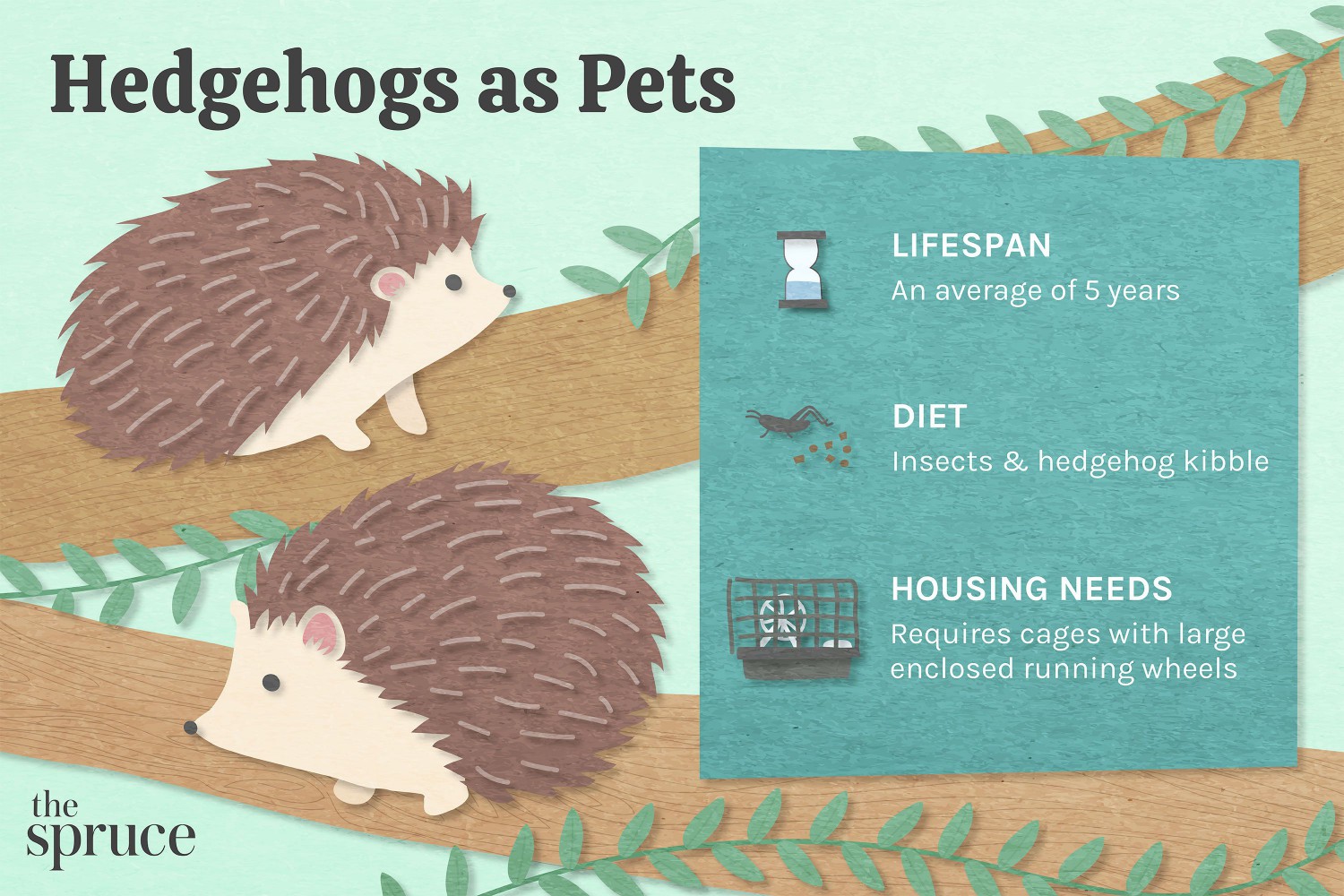
Lifespan: Average of 5 years
Hedgehog Diet
Unlike most other pocket pets, hedgehogs are considered insectivores, and these snouted critters have quite the taste for things that creep and crawl. Mealworms and crickets are the most commonly fed insects in captivity, but the staple diet for a hedgehog should be a store-bought, specially formulated hedgehog kibble. It's important, especially if your kibble brand doesn't have insects in the pellets, to supplement with veggies and live insects, such as mealworms and crickets.
Many owners and breeders still feed kitten food to their hedgehogs but this is not ideal because cat food does not contain blood meal and chitin in it.
Keeping Hedgehogs as Pets
As their name implies, African Pygmy hedgehogs are native to central and eastern Africa but most of these hedgehogs are actually a hybrid of two species: the four-toed and Algerian hedgehogs. In the wild, they also live primarily off of small insects, grubs, snails, spiders, and small vertebrates—a diet you should strive to mimic in captivity.
Cages made for guinea pigs and rabbits are suitable for hedgehogs, but wire-grate cage bottoms should be avoided since hedgehogs have small feet that will be injured if they fall through these grates. Soft bedding such as recycled paper material or towels that are changed out regularly is best for the sensitive feet of a hedgehog. Good padding for the cage is key; wire-bottom or plastic grates can lead to callus formation on the feet, which can lead to foot infections known as pododermatitis. You might consider fleece or dog-training potty pads over the soft padding or fleece to easily clean certain areas.
A large enclosed running wheel should be kept in the cage for your hedgie to exercise in along with a hide box, food bowl, and water bottle. Make sure the running wheel is cleaned regularly to avoid fecal matter from building up which can cause foot infections or infections in humans upon handling them.
Hedgehogs are very active at night and will run several miles a day on their wheel or in their enclosed play area. If they are unable to get the large amount of exercise they require, they may become depressed, overweight, and develop foot sores. Exercise and activity are very important to hedgehogs so potential owners should be able to commit to being able to provide a hedgehog with the space necessary to do so.
The Spruce / Katie Kerpel
Handling Hedgehogs
African pygmy hedgehogs obviously have a lot of prickly spines, but that doesn't mean they aren't fun to hold. Tame hedgehogs will crawl into your hands, take treats from you, and even enjoy being carried for a bit. Younger hedgehogs are easier to tame than older ones, therefore your best chance to have a hedgehog that loves being held is by getting one at about six to eight weeks of age.
Typically, hedgehogs don't like their heads being pet and will roll into spiked balls when scared. Since hedgehogs aren't big fans of water, if you are having trouble cleaning your hedgehog's feet, try placing it in a shallow bath that only covers their feet.
Hedgehog Health
Dental disease, skin issues including mite and lice infestations, intestinal parasites, and tumors can all be issues for pet hedgehogs. Spaying and neutering are recommended to avoid reproductive organ tumors and other diseases later in life. Thorough dental examinations at the yearly vet visits and the occasional dental cleaning under anesthesia are recommended to prevent your hedgie from losing any teeth or developing other dental problems. Some owners are able to brush their hedgehog's teeth using cat toothpaste and a small head toothbrush or cotton-tipped applicator weekly, but this is very uncommon.
Obesity is another common issue with these pets; make sure you feed the recommended amount of food according to the diet they are using.
Spine loss is normal in small amounts but if your hedgehog is losing so many spines that it has bald patches, it probably has a medical concern. Parasite infestations such as mites are the most common reasons for excessive spine loss. If your hedgehog is losing a lot of spines then it's time for a check-up with the vet.
Explore Dogs
Insects and Spiders Pets Guide for Beginners
Insects and spiders can be fascinating to watch. They are extremely quiet, clean pets that do not n...
Read More
Eye Problems in Chinchillas
Chinchillas are members of the rodent family that have been traditionally farmed for their exceptio...
Read More
What Should Your Pet Gerbil Eat?
These social, funny, adorable rodents are great companions for children learning to take care of a ...
Read More
Guinea Pig Bladder Stones
Guinea pigs are prone to several health problems, and getting bladder stones are one of them. Guine...
Read More
Heatstroke in Guinea Pigs
Heatstroke seems like an unlikely affliction for Guinea pigs, which are native to South America and...
Read More
Guinea Pigs Diet and Vitamin C Requirements
Vitamin C Vitamin C is of utmost importance to guinea pigs, as they are unable to manufacture t...
Read More
Why Guinea Pigs Bite and How to Stop It
Guinea pigs are very popular small pets and are great for both kids and adults. Guinea pigs are per...
Read More
Can Domesticated Rabbits Survive in the Wild?
Sometimes well-meaning pet rabbit owners will announce that they have "set a rabbit free ...
Read More
An Overview of Rabbit Fur Colors and Patterns
The number of coat colors that pet rabbits can come in is long and sometimes confusing. The followi...
Read More