Guinea Pigs Diet and Vitamin C Requirements
Vitamin C
Vitamin C is of utmost importance to guinea pigs, as they are unable to manufacture their own (much like humans). Without enough vitamin C in their diets, guinea pigs can become very ill with scurvy. The amount of vitamin C required varies somewhat depending on the reference source used, but most guinea pigs probably need about 10–20 mg/day. Pregnant, nursing, young, and ill guinea pigs need more.
- If you feed a good selection of vegetables high in vitamin C along with a good, fresh guinea pig pellet, you can probably meet the vitamin C needs of the average guinea pig.
- Many guinea pig pellets have vitamin C added but, unfortunately, vitamin C is quite unstable and will degrade over time. Keeping the pellets in a cool dark place helps preserve the vitamin C. You can also get pellets with a stabilized form of vitamin C.
- The best way to supplement with additional vitamin C is to use vitamin C tablets. You can buy vitamin C tablets specifically for guinea pigs (e.g. Oxbow's GTN-50C) or human chewable 100 mg tablets (note: make sure you are getting just vitamin C rather than a multivitamin formula). A quarter of a 100 mg tablet daily is a recommended dose for most adult guinea pigs. The guinea pig tablets are 50 mg, but since vitamin C is a water-soluble vitamin, small excesses over that daily requirement are easily excreted. Many guinea pigs will take the tablets like a treat and eat them, or they can be crushed and sprinkled on vegetables or pellets.
- Vitamin C can be added to the water, but there are problems with this method. The vitamin C quickly loses its potency in water (a fresh supply must be made at least daily, if not twice). Also, guinea pigs may refuse or reduce their consumption of water with added vitamin C due to the taste, and this may lead to other health problems. It is also very hard to know if your guinea pigs are getting enough vitamin C using this method of supplementation. Feeding a variety of fresh veggies high in vitamin C and/or supplementing directly with tablet forms of vitamin C are better options.
Pellets
Commercial guinea pig pellets should be fed daily. Most guinea pigs will not overeat (usually eat about 1/8 cup per day) but the number of pellets may need to be restricted if a guinea pig becomes obese. Choose a good quality pellet designed for guinea pigs. Since the vitamin C in pellets also loses its potency over time, look for pellets that use a stabilized form of vitamin C or at least one with a "use before" date ensure freshness, buy in small quantities, and store in a cool dark place.
For growing guinea pigs, alfalfa-based pellets are fine, but for adults, it may be better to search out a Timothy hay-based pellet. A couple of excellent Timothy-based diets include Oxbow Hay's Cavy Cuisine and KM Hayloft's Timothy's Choice.
When choosing a guinea pig diet or pellet, avoid those with nuts or seeds, dried fruits, corn products, animal by-products, beet pulp, or other fillers. Also watch for high sugar content (sucrose, fructose, corn syrup, etc.) and foods with lots of preservative or added chemicals.
Hay
Hay should be a staple in the diet and a fresh supply available at all times. Grass hays such as Timothy hay or orchard grass are the best for adult guinea pigs. Alfalfa is richer and higher in calcium and is a good supplement for growing guinea pigs as well as pregnant or nursing guinea pigs, but is not a good staple for most adult guinea pigs.
Fresh Vegetables and Fruit
In addition to the hay and pellets, a variety of fresh vegetables (especially leafy greens) and some fruits should be offered daily. Leafy greens should make up the bulk of the vegetable supplementation. Fruits and other vegetables can be offered in small quantities. Avoid iceberg (head lettuce) as it has very little nutritional value. Good choices include kale, spinach, turnip greens, parsley, romaine lettuce, and dandelion greens. Avoid or limit cabbage, broccoli, cauliflower, collards, bok choy, and other cruciferous vegetables as they can lead to gas production in the digestive tract. Also, avoid starchy vegetables such as potatoes. Carrots, carrot tops, green and red bell peppers, apple, apricots, bananas, blueberries, cantaloupe, grapes, oranges, strawberries, and tomatoes can also be fed. If you have a guaranteed pesticide-free source, grass, dandelions, clover, and chickweed can also be offered, especially new growth which is tender and the most nutritious.
Any greens, vegetables, or fruits should be introduced gradually or a digestive upset may result.
More About Guinea Pigs
- Cages for Guinea Pigs
- Introduction to Guinea Pigs
Explore Dogs
Insects and Spiders Pets Guide for Beginners
Insects and spiders can be fascinating to watch. They are extremely quiet, clean pets that do not n...
Read More
How to Care for a Pet Pink Toe Tarantula
The pink toe tarantula, sometimes referred to as the South American pinktoe or the Guyana pinktoe, ...
Read More
What Do Mice Eat?
A lot of people associate mice with eating cheese, but we know that for optimal health, their diet ...
Read More
Should You Keep an African Dormouse as a Pet?
The African dormouse, also known as a micro squirrel, is a tiny rodent that looks a lot like a very...
Read More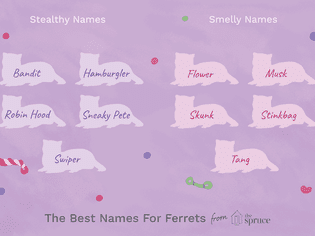
91 Unique Ferret Names
Ferrets are unique pets, and they almost beg for uniquely precious names. While they may look a lit...
Read More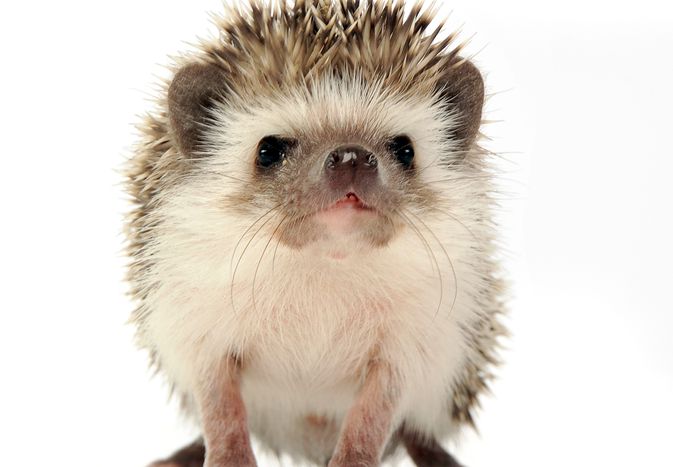
Are Hedgehogs Good Pets?
The African pygmy hedgehog fits the bill for those that are looking for a unique but small and quie...
Read More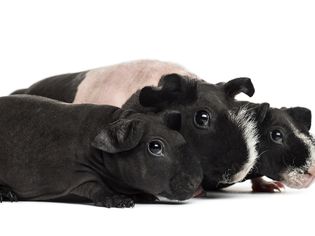
Hairless Guinea Pigs
There are actually two varieties of hairless guinea pigs. The skinny pig, which does actually have ...
Read More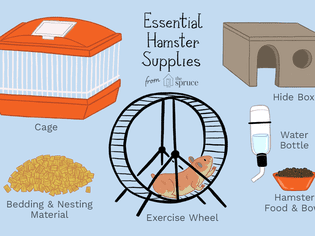
How to Care for Your Pet Hamster
Hamsters are pretty common household pets. These small rodents usually live for about two years and...
Read More
Safe Wood and Other Plants for Rabbits
Rabbits need to chew on things regularly to keep their teeth trimmed and healthy. Wood is a popular...
Read More