Myxomatosis in Rabbits
Myxomatosis, sometimes referred to as myxi, is a serious viral disease that presents with severe symptoms in pet rabbits such as fever, lethargy, and inflamed eyes. Unlike bacterial infections that can be successfully treated with antibiotics, myxomatosis is not easily cured and is often rapidly fatal. There are no specific treatments, and supportive care is only occasionally successful in helping rabbits recover. However, preventative measures such as vaccination, flea repellents, and keeping your rabbit away from potentially infected rabbits can help avoid myxomatosis.
What Is Myxomatosis?
Myxomatosis is caused by the myxoma virus, a kind of pox virus that only affects rabbits. There are also different strains of this virus that vary in their virulence. Both wild and domesticated rabbits can get myxomatosis. Wild rabbits can survive as carriers, but the disease is usually fatal in domestic breeds (particularly those of European descent). The onset of illness is rapid after transmission, and rabbits typically die within two days of showing symptoms.
Symptoms of Myxomatosis in Rabbits
Rabbits that contract myxomatosis may suddenly become very ill. If a rabbit is showing symptoms, it is not uncommon for the animal to die within 48 hours.
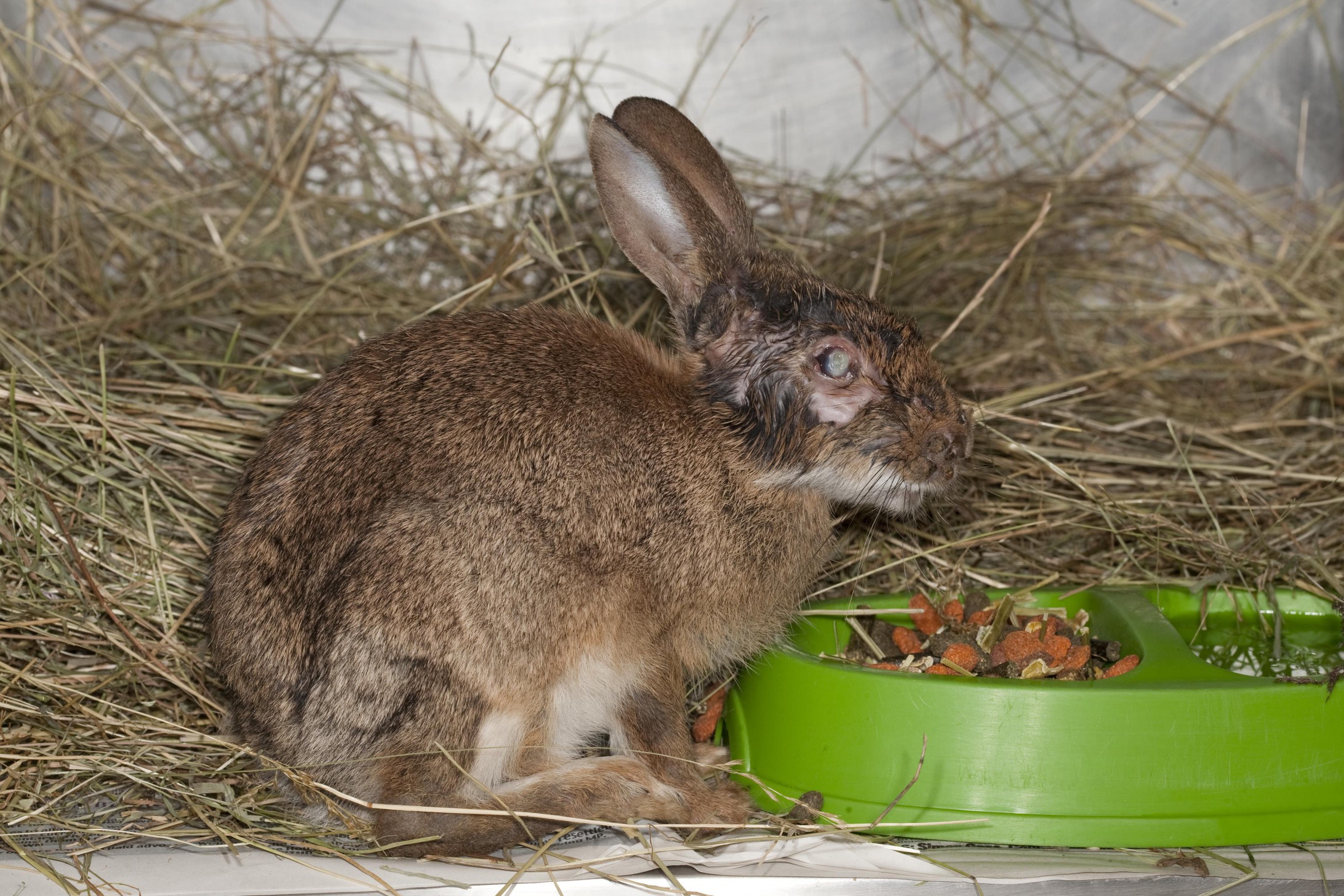
Within hours or days of contracting the myxoma virus, rabbits will show signs of feeling unwell, such as food refusal or lethargy, and their eyes will become inflamed. If a rabbit does not die within two days, as is usually the case, the illness may begin to affect the mucous membranes and other tissues, including the eyes, nose, mouth, genital and anal areas, and ears (which become droopy if they are usually standing). The rabbit's entire face may also become very swollen, and thick pus may be discharged from the nose. Due to the swelling and discharge, the rabbit will start to have difficulty breathing. Most rabbits die within 14 days of the onset of these symptoms.
In more chronic cases (depending on the virus strain and immunity of the rabbit), lumps and nodules (myxomas) may develop on the body. Rabbits with this lumpy form of myxomatosis may survive and become immune to the myxomatosis virus. This is commonly seen in wild cottontail rabbits but unfortunately seems to be a less likely course of the disease in domestic rabbits. Instead, most pet rabbits that are diagnosed with myxomatosis end up suffering from the acute forms of the disease and eventually die.
Causes of Myxomatosis
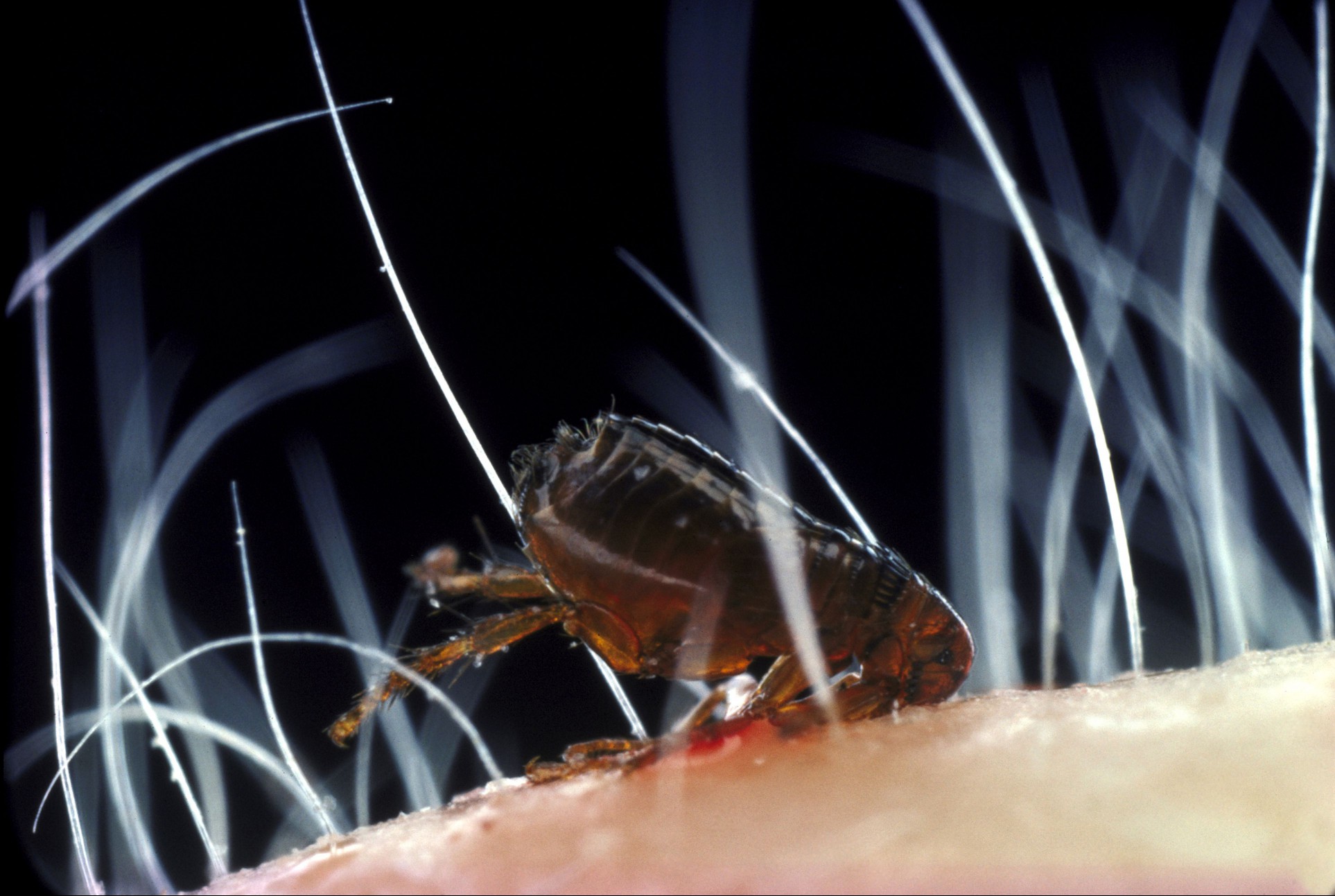
This pox virus is spread by blood-sucking insects but can rarely be transmitted through contact with an infected rabbit. Carriers of the virus include:
- The rabbit flea
- Mosquitoes, mites, lice, and flies
- Infected rabbits (less common)
Diagnosing Myxomatosis in Rabbits
Diagnosing myxomatosis in a live rabbit is based on a veterinarian's recognition of the classic symptoms, blood and urine tests to detect the virus, and biopsies of myxomas. But, since the disease is so rapidly fatal in most cases, a diagnosis is more frequently made by a postmortem examination.
Treatment
There is, unfortunately, no specific treatment for myxomatosis so only supportive care (fluids, antibiotics to prevent secondary infections, and pain medication) can be offered by your vet. Because domestic rabbits tend to be very susceptible to the virus and suffer greatly with symptoms of the disease, euthanasia is often recommended. In some cases, however, palliative care can allow a previously young, healthy rabbit to recover.
Prognosis for a Rabbit With Myxomatosis
Unfortunately, the prognosis for a rabbit with myxomatosis is grim. Few domestic rabbits survive this disease.
How to Prevent Myxomatosis
To help prevent myxomatosis, make sure your rabbit is not exposed to sources of the disease by taking the following precautions:
- Avoid mosquitoes: Stay away from mosquito-infested areas and, if possible, keep your rabbit indoors.
- Use a flea preventative: A monthly prescription flea preventative for pet rabbits may be a good idea even if your rabbit never goes outside.
- Don't let your rabbits socialize with other rabbits: Avoid fairs, shows, or other events where unfamiliar rabbits are brought together.
- Quarantine sick rabbits and exposed rabbits: Take steps to prevent direct transmission via your clothes, food, and other supplies. Quarantine any rabbits that have been exposed to a sick rabbit for 14 days and monitor them for symptoms of myxomatosis.
- Vaccinate your rabbit: If you live in the United Kingdom, you can vaccinate your rabbit for myxomatosis. It may not entirely eradicate the disease, but it does reduce the severity of the disease; vaccinated rabbits can and do recover. The vaccine can be given to rabbits once they are 6 weeks old. Repeat yearly or every six months where myxomatosis is common. This vaccine has been available as a combination vaccine with the rabbit hemorrhagic disease vaccine since 2012.
The myxomatosis vaccine is not available in the United States or Australia; one reason for this a concern that the virus in the vaccine might spread to the wild rabbit population. If this occurred, the wild rabbit population could develop an immunity to myxomatosis, leading to an explosion in the rabbit population. Myxomatosis was at one point deliberately introduced into the rabbit population in Australia to reduce the rabbit numbers; the outcome was an increased immunity to the disease and, in the long run, an increase in the rabbit population.
Is Myxomatosis Contagious to Other Animals?
Myxomatosis is contagious among rabbits, so it is important to isolate a sick rabbit from others as soon as symptoms appear. It is unusual, but possible, for the virus to spread by direct contact between rabbits as well as indirect contact (via items such as food dishes or clothes that carry the virus from rabbit to rabbit) or air transmission.
Explore Dogs
Should You Keep a Sugar Glider as a Pet?
Sugar gliders are popular exotic pets, as they're small, cute, and unique little marsupials tha...
Read More
Eye Problems in Chinchillas
Chinchillas are members of the rodent family that have been traditionally farmed for their exceptio...
Read More
The Different Types of Domesticated Ferrets
When it comes to domesticated pet ferrets (not to be confused with wild European polecats or North ...
Read More
13 Things to Know Before Getting a Guinea Pig
Guinea pigs can be lovely pets, but you should know a few things before making that big commitment....
Read More
What Fruits Can Guinea Pigs Eat?
Guinea pigs are herbivorous rodents, which means they naturally eat plants. In the wild, guinea pig...
Read More
What Should You Do If Your Hamster Has Babies?
A baby hamster surprise birth isn’t uncommon with hamsters since they are often incorrectly sexed...
Read More
The Ultimate Guide to Pet Hamster Breeds and Their Personalities
Key Takeaways Hamsters are nocturnal, low-maintenance and thrive in large cages with regular handlin...
Read More
Reasons Why Rabbits Eat Their Own Poop
Rabbits, much like cats, are fastidious groomers and practice very good hygiene. They are often see...
Read More
How to Travel With a Rabbit in a Car
Your rabbit may be happier staying with a pet sitter at home rather than coming along for a ro...
Read More