What Should You Do If Your Hamster Has Babies?
A baby hamster surprise birth isn’t uncommon with hamsters since they are often incorrectly sexed and purchased as adults from a pet store. While it is best to make sure you get your hamster from a store that separates males from females at a young age to avoid surprises like this, it isn’t always possible.
Sometimes you’ll bring a hamster home from a store where they were housed with many other hamsters, and they’ll already be pregnant without you even knowing it. You may be surprised to see a litter of baby hamsters that have suddenly appeared one day in your hamster’s cage and not know what to do with them.
Make Your Hamster Feel Comfortable
In order to help your hamster care for its new babies, you can place strips of toilet paper or facial tissues in the cage so there is soft, clean bedding material available for the nest. Ideally, you would do this once you realize your hamster is pregnant, but it’s alright if you are unaware of the pregnancy. A pregnant hamster is usually pretty noticeable a couple of days before birth just by the sheer size of its abdomen.
If you have just noticed your hamster is pregnant, do a thorough cleaning to prepare for the new arrivals. Once the babies have arrived don't worry about cleaning the cage for a while. Leave mother and babies alone for at least 7 days, especially if the mother has never given birth before. You can spot clean really wet spots if absolutely necessary, but avoid disturbing the nest, mother, and babies.
Feeding a Pregnant Hamster
As soon as you notice your hamster is pregnant, make sure you are offering a high-quality hamster diet with lots of protein. This diet should be continued throughout the pregnancy and until the babies are weaned. In addition to a good quality diet, you can offer small amounts of hard-boiled egg, bits of cooked chicken, cheese, and wheat germ to give the mom a nutritional boost. Make sure it always has clean water as well.
Separate Your Hamsters
If your pregnant hamster lives with another hamster, you may want to separate them. This will keep the babies safer and avoid any fighting between adults. It will also avoid another pregnancy in the future if you discover you have a male and a female hamster living together.
Give Your Hamster Privacy
It will be hard to resist, but try not to handle the babies at all for at least 7 days. You want to avoid getting your scent on them and unnecessarily moving them. If for some reason you must move a baby hamster, use a spoon so you do not get your scent on the baby. It is rare that you will need to move a baby though, even if they are out of the nest. The mother hamster will usually retrieve any stray pups and return them to the nest.
Make feeding and watering time as efficient and calm as possible. Keep quiet when you are in and around the cage so you don’t stress your hamster out. It’s okay to have a quick peek in the cage on occasion, but you should avoid sitting and watching the hamsters for long periods of time.
Keep in mind that the mother hamster will be very protective, so it may act more aggressively than usual towards you while you are in the cage. It may charge at your hand or stand on its hind legs if you get too close. This is natural and is not a cause for concern but you should still avoid getting bit and unnecessarily stressing your hamster out.
Weaning the Baby Hamsters
The baby hamsters will be ready to wean off of their mother at about three weeks of age. This is the best time to separate the males from the females if you have dwarf hamsters, but Syrian hamsters can stay in these male and female groups for another two to three weeks.
Young Mother Hamsters
Unfortunately, if you purchased a pregnant hamster from the pet store it is probably quite young and may not have the best mothering abilities. Because of this, it may be more likely to abandon or even cannibalize its babies. If you notice your hamster isn’t attending to the nest or caring for the babies and they are less than 10 days old, it is unfortunately extremely difficult to save the babies.
Explore Dogs
How to Care for a Pet Chilean Rose Tarantula
Chilean rose tarantulas are a popular pet tarantula species to keep. These spiders have bodies that...
Read More
Toys for Gerbils
First and foremost, toys for your gerbils must be safe. Gerbils have a habit of sticking their head...
Read More
How to Care for a Pet Mouse
Pet mice are entertaining to watch and easy to care for, and they make very few demands on their ow...
Read More
Do Ferrets Bite?
Ferrets are very popular pets and while they are often considered caged pets, they actually do much...
Read More
Eye Infections and Problems in Guinea Pigs
Guinea pigs, like many other exotic pets, are prone to eye problems. There are a variety of disease...
Read More
5 Most Popular Pet Hamsters
If you're not quite ready to take the plunge into pet ownership with a dog or cat, a smaller compan...
Read More
How to Choose the Best Cage for Your Syrian Hamster
One of the most popular species of hamster kept as a pet is the Syrian or golden hamster. Despite t...
Read More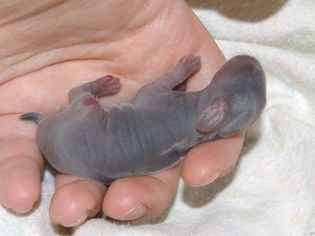
How to Warm up a Cold Baby Bunny
Once in a while, a rabbit will give birth somewhere other than a nest box. The husbandry terminolog...
Read More
Pregnancy in Rabbits: A Guide to Rabbit Gestation
A rabbit's gestation period is typically between 28 and 30 days, but this can vary depending on...
Read More