Determine Whether or Not a Hamster Is the Right Pet For You
There are a number of important factors to should consider when deciding if a hamster is the right pet for you and your family. There are a number of varieties of hamsters, and they tend to vary in characteristics and look, based on the variety. While all hamsters have around the same lifespan and require very similar care, be sure to choose the hamster (or hamsters) that is the best fit for you.
Types of Hamsters
These are the three most common types of hamsters that are typically for sale in pet stores. Different species of hamsters should never be kept together. Pet hamsters are generally housed singly, as mature females and males tend to be aggressive toward one another. If you choose to have multiple hamsters in one cage, be sure to determine the gender of the hamster and aim for only one gender. If you have mixed genders in one cage, you will likely have hamster babies soon.
- Syrian hamsters are the most common type kept as pets. These should be kept one to a cage (they will fight if kept together). They can be quite tame and easy to handle.
- Dwarf hamsters (Campbell's and winter white Russian hamsters, Roborovski hamsters) are more social and are probably better kept with others of the same species, but they should be introduced as a pair at a young age. Fast and agile, they are a bit harder to handle.
- Chinese hamsters are similar in size to dwarf hamsters but not are not true dwarf hamsters. Sometimes they get along with other Chinese hamsters, but often they do not. This type tends to be quite friendly but is also very quick and agile.
Lifespan
Different varieties of hamsters do have slightly different expected lifespans, however, all varieties seem to live for approximately 2 years.
- Syrian Hamster: 2 to 3 years
- Dwarf Campbells Russian Hamster: 1.5 to 2.5 years
- Dwarf Winter White Russian Hamster: 1 to 3 years
- Roborovski Hamster: 2 to 3 years
- Chinese Hamster: 2 to 3 years
Size and Habitat
The different hamster varieties do have a quite significant physical size range. Be sure to understand how big your hamster is expected to grow and have a hamster habitat that is suitable for your size hamster.
- Syrian Hamster: 5-7 inches
- Dwarf Campbells Russian Hamster: 3 inches
- Dwarf Winter White Russian Hamster: 3 inches
- Roborovski Hamster: about 2 inches
- Chinese Hamster: 3-5 inches—and, unlike other hamsters, they have a noticeable tail as well.
You will need to select a cage that is large enough, safe, and easy to clean. Unfortunately, standard cages you will find at the pet store are not "one size fits all" in regards to hamster varieties. A Syrian hamster will need a different type of cage than a Chinese hamster.
As always, if you have any questions about the type of hamster and specific care needs, be sure to talk to your veterinarian.
Explore Dogs
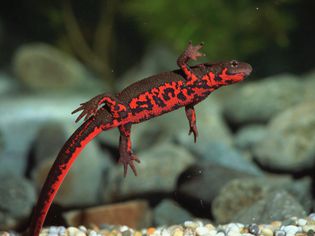
Fire Belly Newt: Species Profile
The Chinese fire belly newt (also called the oriental fire belly newt) and the Japanese fire belly ...
Read More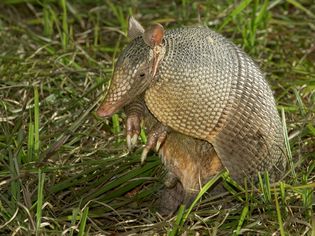
Should You Keep an Armadillo as a Pet?
Of the 20 species of armadillo in the wild, only a few are kept as pets in the United States, and e...
Read More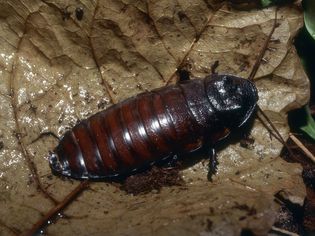
Should You Keep a Madagascar Hissing Cockroach as a Pet?
Have you ever considered keeping a cockroach as a pet? Madagascar hissing cockroaches, otherwise kn...
Read More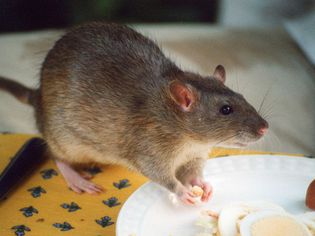
Feeding Pet Rats
Feeding pet rats is not difficult, but there are some important items to include when doing so. Spe...
Read More
How to Decipher Guinea Pig Sounds, Noises, and Body Language
Guinea noises can mean lots of different things—it's how these little creatures communicate. By u...
Read More
Pet Hamster Toys
Hamsters, both dwarf and Syrian, are active creatures. They need a variety of toys and other items ...
Read More
Hamster Food 101: What Can Hamsters Eat?
Hamsters are cute, small, and relatively easy to care for, and if socialized and handled gently, th...
Read More
Safe Wood and Other Plants for Rabbits
Rabbits need to chew on things regularly to keep their teeth trimmed and healthy. Wood is a popular...
Read More
Rabbit Urine Color: What Pee Can Tell You About a Rabbit's Health
The color of urine is widely accepted to be yellow, but this isn't the only color of pee that a hea...
Read More