Hamsters as Pets
Hamsters are popular small pets. If you are thinking about getting a pet hamster for you or a child, you must know how to choose one, what supplies you need, and how to feed and care for your new pet. Hamsters are typically low-maintenance pets but proper care is essential to keeping them happy and healthy. Here's what you need to know about hamsters as pets.
Click Play to Learn More About the Low-Maintenance Hamster
Choosing a Pet Hamster
Hamsters are popular pets for children and adults alike. They are small rodents that typically live about two years and are usually best housed alone. Hamsters come in a variety of colors and breeds, and different breeds are known for distinctive traits. There are 24 hamster species, but some common ones include:
- Chinese Hamsters: These small hamsters are not as common as other kinds of hamsters. Many people often mistake them for dwarf hamsters but they are not true dwarfs. They only grow to be 4 inches long.
- Dwarf Hamsters: There are several varieties of dwarf hamsters, such as Roborovskis and Russians, and they're similar to Chinese hamsters, but much more commonly found in pet stores.
- Syrian Hamsters: Syrian hamsters come in several color variations and go by different names, such as goldens, panda, and teddy bears. They are much larger than dwarf and Chinese hamsters and are the most commonly seen type of hamster.

Choose a Healthy Hamster
Not every hamster in the pet store is in optimal health. Moving from a breeder or supplier to a store can be a stressful period for baby hamsters, and they will often get sick from it. Choose an active hamster that doesn't look like it has a wet rear end or watery eyes. Both eyes should be open and, ideally, the hamster will be eating or running around the cage. If a cage seems to have a few sick hamsters, it is probably best to avoid buying any hamster from that group since hamster diseases are very contagious.
Choosing a hamster that is easy to tame is another factor to consider. Young hamsters will be easier to train and hand-tame than older hamsters, who may have had bad experiences or have never interacted with humans.
Hamster Cages and Supplies
There are many hamster cage options available both online and at pet stores but some cages are definitely better than others. Several cages may look cool, but aren't very functional and are extremely difficult to clean (cages with colorful tubes are a good example of this). Fish tanks aren't good options for hamsters either, since they lack proper ventilation.
You may also have to consider that smaller hamster breeds have different cage needs than the larger Syrian varieties, since cage wire spacing can determine whether or not a hamster can escape. Choose a cage that has good ventilation, is easy to clean, has enough space to run and explore, and won't allow your hamster to escape.
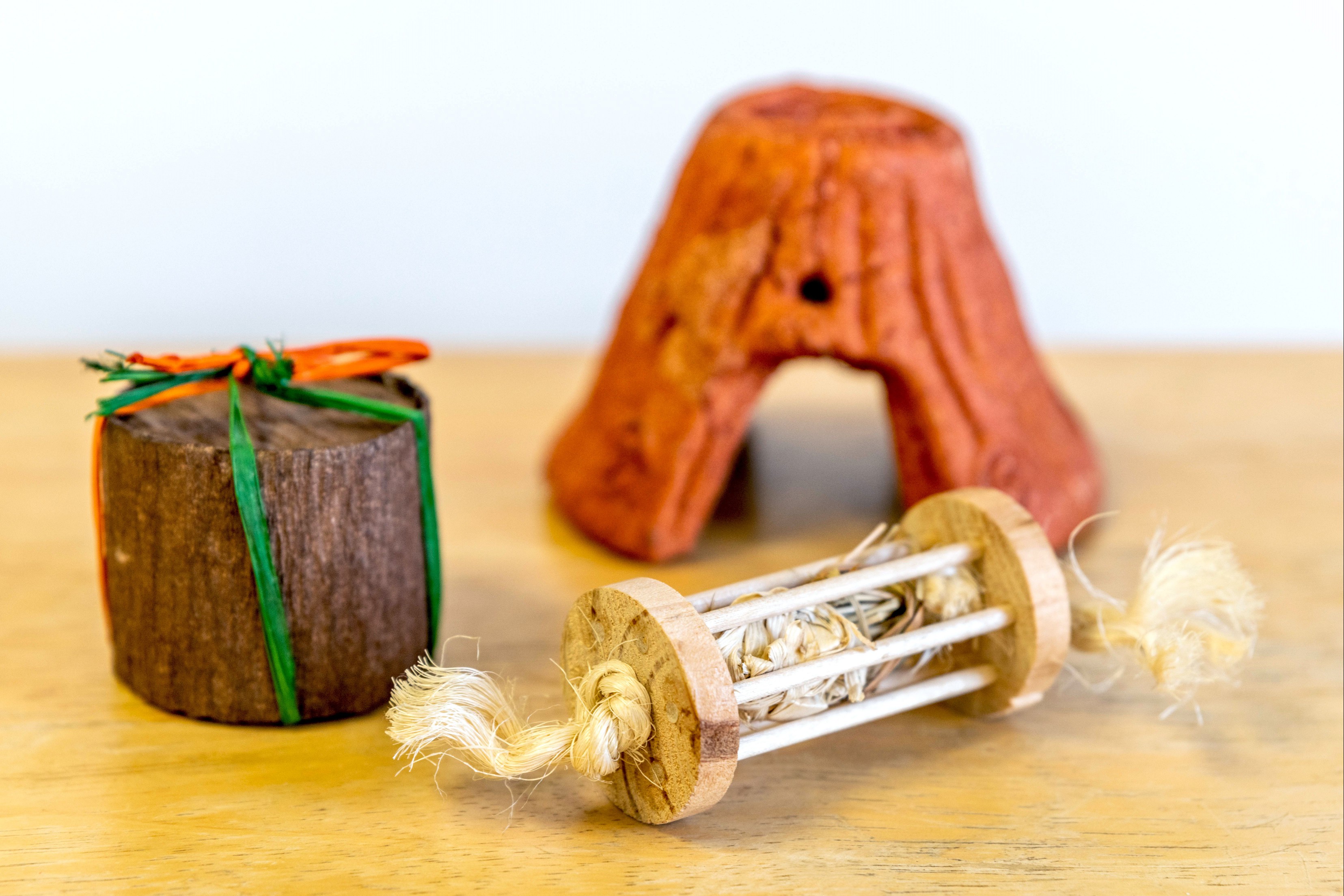
Inside the hamster cage, you'll need to provide soft and absorbent bedding, a water bottle, an exercise wheel, chew toys, a house, and a food dish. Keep in mind that hamsters like and need to chew on items. Wood, cardboard, plastic, and other chewable items may not last long inside the enclosure.

The Spruce / Adrienne Legault
Feeding Hamsters
Most people assume that a store-bought bag of hamster seed is best, but hamsters need to eat a variety of hamster foods providing a mix of proteins, fruits, and vegetables to keep them healthy and happy. Hamsters may pick and choose what they want to eat from seed mixtures and therefore will not receive a balanced diet.
If you offer a pelleted diet instead of a seed mixture and supplement it with a variety of other safe foods, you will be providing your hamster with everything needed to thrive. Greens are a good option to offer daily; parsley, kale, romaine, peas, and squash are all good options. Your hamster's diet should be made of 75 percent fortified pellets, 20 percent veggies, greens, and fruits, and 5 percent treats.
It's also a good idea to provide hay in your hamster's environment to help with nesting and foraging. Most hamsters will also eat the immature seeds in the hay.
Hand-taming Hamsters
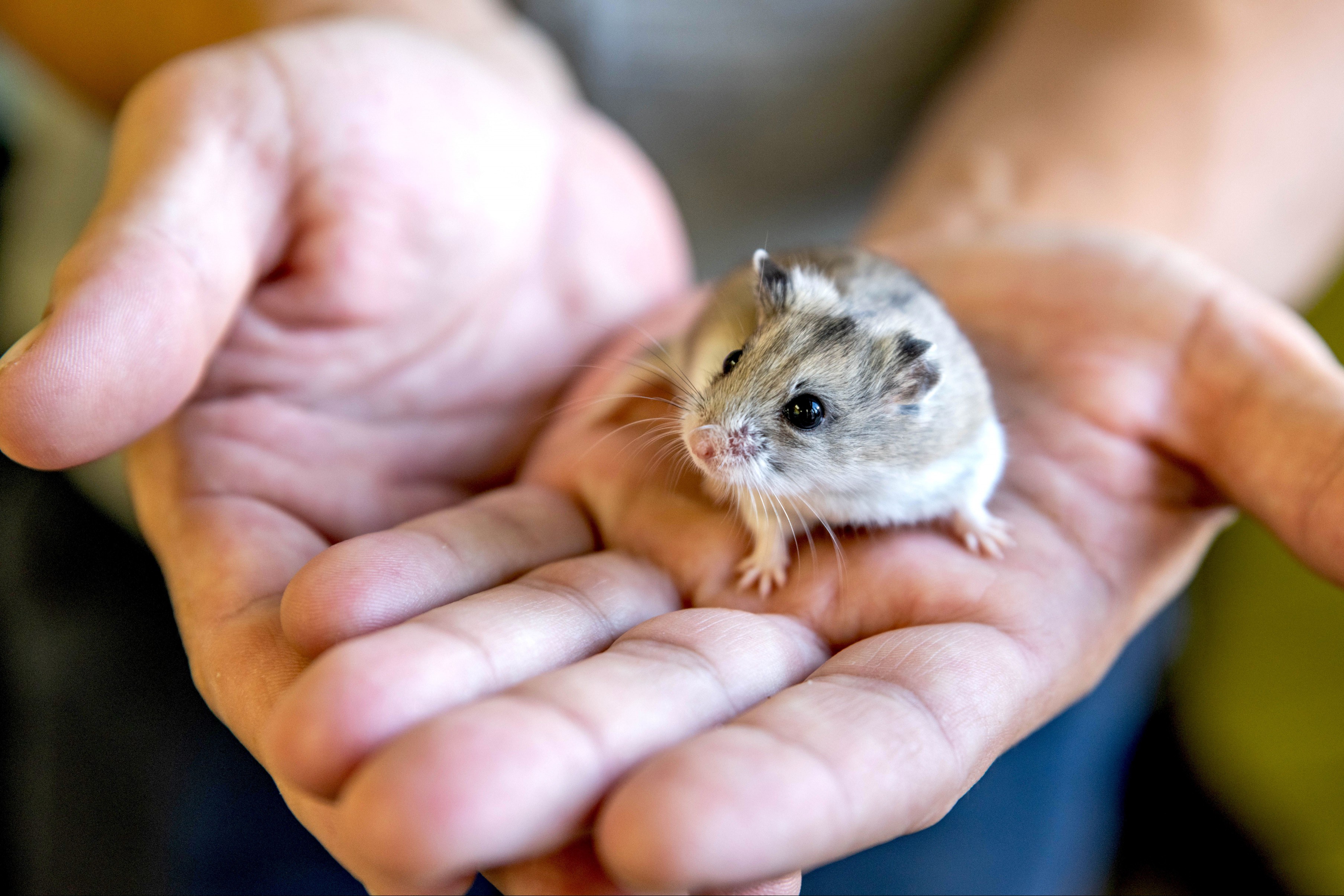
Hamsters can be tamed to be very sweet little pets but for anyone who has ever been bitten, they know hamster bites definitely aren't fun. Young hamsters are typically easier to hand-tame, but you can start teaching your hamster not to bite by making sure you don't startle it. Try not to wake it up, and instead entice it to climb onto your hand on its own using a tasty treat. This will allow you to gain your hamster's trust over time, and allow you to pet and hold your hamster while avoiding being bitten. Hamsters are not aggressive pets but if they are scared or startled they may bite.
The Spruce / Adrienne Legault
Toys for Hamsters
Hamsters need to be active and have enrichment so they don't become bored and overweight. They also need chew toys to keep their teeth neat and trim. There are a variety of hamster toys that are designed to be chewed so your hamster's teeth can be properly cared for, and an exercise wheel will allow a hamster to run as much as they want. Special balls can also be purchased to allow a hamster to run around safely outside its cage; cute houses and other climbable options are available to provide your hamster with ample exercise.
The Spruce / Adrienne Legault
Breeding Hamsters
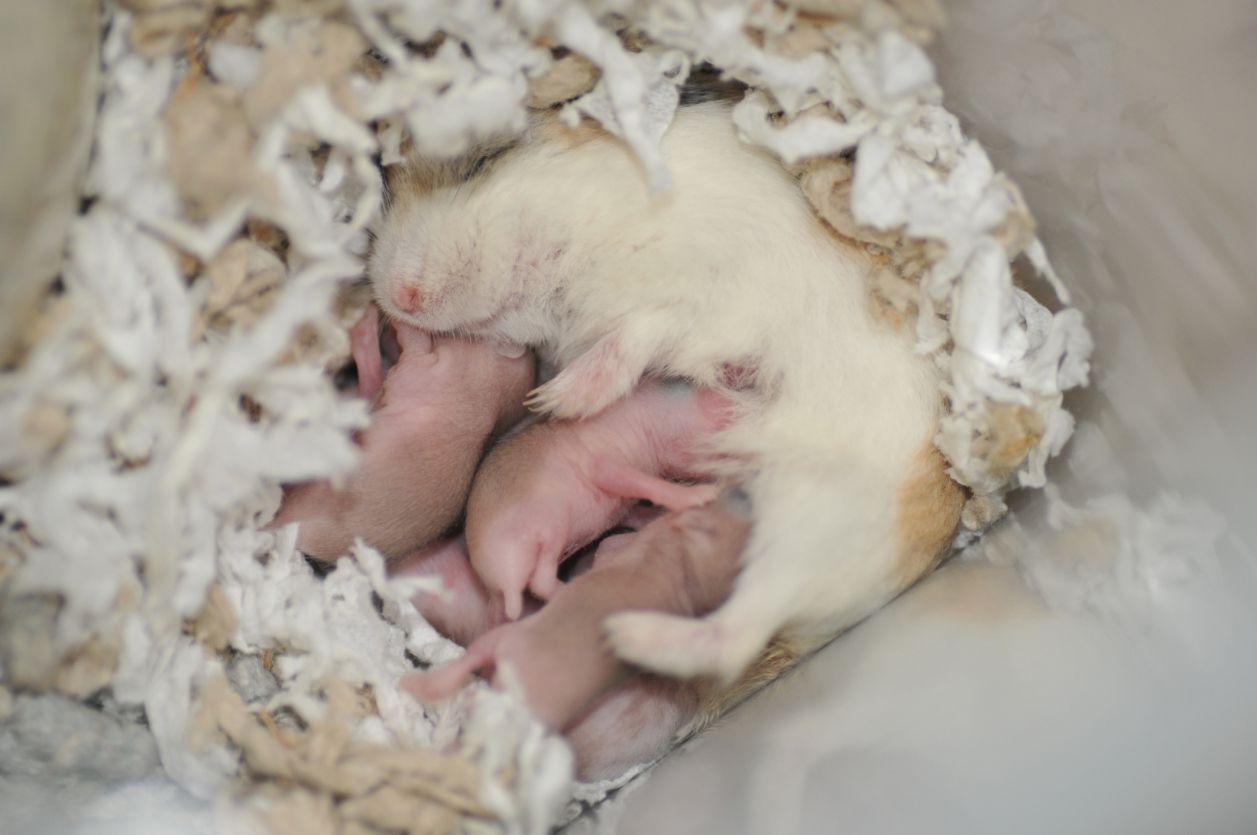
Hamster breeding is not something the casual hamster owner should do. It is best left to hamster breeders who are breeding for specific qualities and temperaments. However, accidents do happen. Many unsuspecting new hamster owners find themselves with a pregnant hamster after purchasing it from a pet store. Extra food and a quiet nesting area inside the cage need to be provided to a pregnant hamster. Be aware that, in some cases, hamsters will kill or eat their babies.
Explore Dogs

What to Feed Your Pet Fox
Pet foxes eat things that are similar to what you would feed your pet dogs and cats. Foxes are omni...
Read More
How to Care for a Pet Pink Toe Tarantula
The pink toe tarantula, sometimes referred to as the South American pinktoe or the Guyana pinktoe, ...
Read More
Grooming Ferrets
When it comes time for you to groom your ferret, you may need to search wide and low for a specialt...
Read More
The Different Types of Domesticated Ferrets
When it comes to domesticated pet ferrets (not to be confused with wild European polecats or North ...
Read More
DIY Toys for Pet Rats Using Stuff You Already Have
Pet rats are intelligent and playful. They need a variety of toys to keep them amused and active. W...
Read More
Tumors in Rats
Tumors are relatively common in pet rats, and they can contribute to rats' relatively short lifespa...
Read More
What Do Hedgehogs Eat? How to Feed Your Pet a Healthy Diet
If you just brought home a spiky new friend, you might wonder what exactly hedgehogs eat. Being ins...
Read More
Reasons Why Rabbits Eat Their Own Poop
Rabbits, much like cats, are fastidious groomers and practice very good hygiene. They are often see...
Read More
Eye Problems in Rabbits
Rabbits have very large eyes that are located on either side of their heads. This eye placement is ...
Read More